Sensor. Data. Action.

See What Others Can't

Mold
01 / 04

Mold

Problem

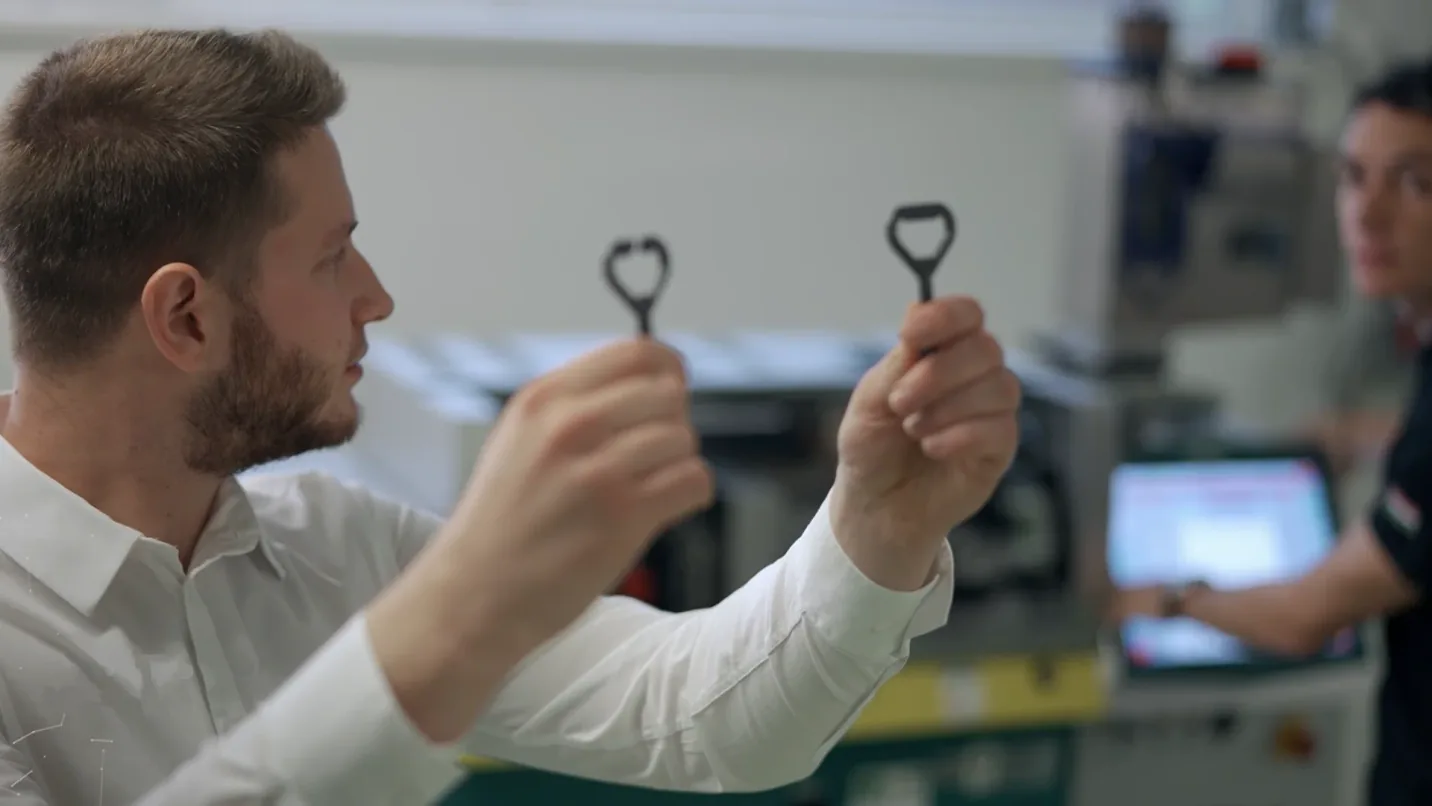
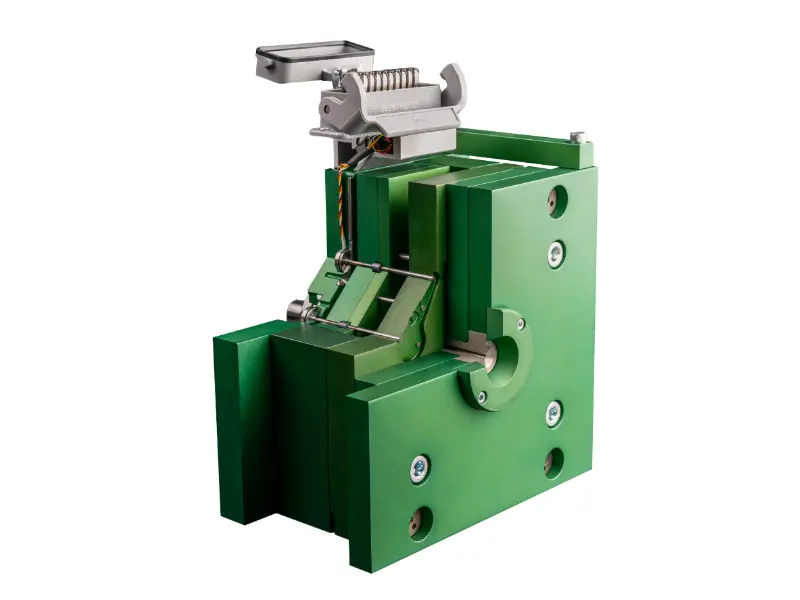
Uneven cavity filling, poor venting, runner restrictions or hot runner issues can cause short shots, flash, dimensional variation and cavity-to-cavity imbalance. These problems are often difficult to identify from machine data alone.

Solution

Cavity Eye measures pressure directly at cavity level, making differences between cavities immediately visible. Filling time, pressure curves and pressure development help identify imbalance, venting problems and other mold-related deviations during setup and production.

Result

Faster mold optimization, easier root-cause identification and more consistent cavity-to-cavity quality. Continuous monitoring also helps detect changes before they develop into customer complaints or production losses.
Material
02 / 04

Material

Problem

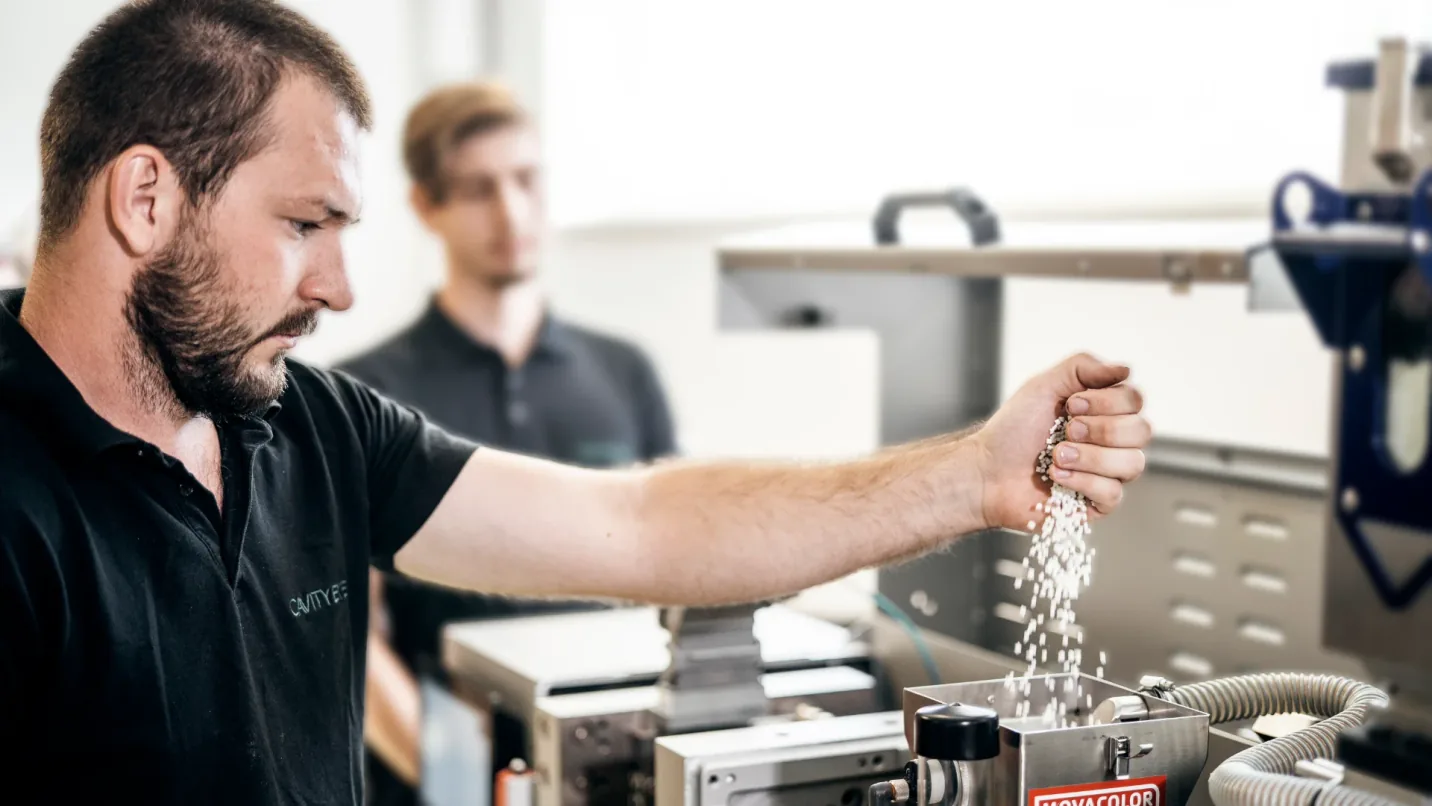
Different material batches, recycled content, moisture or inconsistent material preparation can change melt viscosity and plasticizing behavior. The same machine settings can therefore produce different filling and packing conditions.

Solution

Cavity Eye monitors how the material actually behaves inside the mold. Cavity-pressure-based switchover and continuous pressure monitoring help compensate for viscosity and dosing variations and reveal material-related process changes.

Result

More stable production despite material variation, improved part consistency and greater process robustness when using regrind or changing material batches. Material-related deviations can be identified before they create visible quality problems.

Machine
03 / 04

Machine

Problem

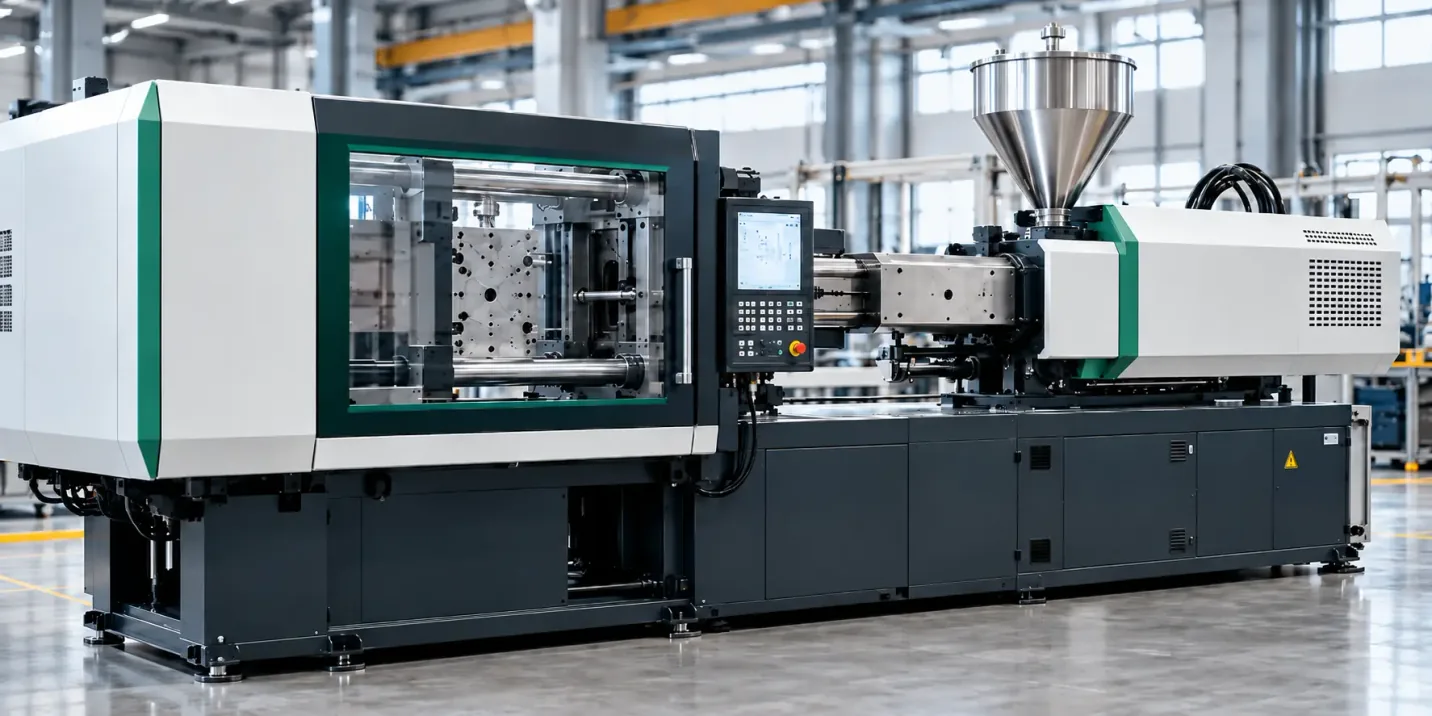
Machine condition, machine control behaviour, injection unit sizing, differences between machines can affect filling, pressure build-up and repeatability. These variations become especially critical during mold transfer or machine changes.

Solution

Cavity Eye uses the mold cavity as an objective reference point. Pressure curves show whether the required process conditions are reproduced independently of machine settings and help reveal changes in machine behavior or performance.

Result

Faster machine setup, more reliable mold transfer and easier comparison between machines. Deviations can be separated from mold- or material-related effects, supporting faster troubleshooting and more repeatable production.

Process
04 / 04

Process

Problem

Changes in process settings, mold temperature control, peripherals or environmental conditions can gradually shift the molding process. Frequent manual adjustments often hide the real root cause and make stable production difficult to maintain.

Solution

Cavity Eye continuously monitors filling time, maximum cavity pressure, pressure integral and complete pressure curves for every cycle. NET4 makes trends, shifts and oscillations visible and compares production against established reference conditions.

Result

Earlier detection of process drift, faster troubleshooting and a more stable process window. Cycle-by-cycle monitoring supports automatic bad-part separation, reliable startup and consistent product quality throughout production.

FAQ

Frequently asked questions

What is cavity pressure monitoring?

Cavity pressure monitoring measures the pressure of the plastic melt inside the mold cavity in every cycle. Part quality is formed in the cavity, so the pressure curve shows how each part was filled, packed and cooled — information that machine data alone cannot provide. Cavity Eye uses indirect cavity pressure sensors behind the ejector pins and the MOLDi measuring system to evaluate the curves in real time.

How can short shots be detected in injection molding?

A short shot means the cavity was not completely filled, which shows up as a missing or lower pressure rise in the cavity. Cavity pressure monitoring compares every cycle with a reference curve and tolerances, so an incompletely filled part is flagged immediately. MOLDi provides a cavity-pressure-based OK/NOK output, so bad parts can be separated automatically before they reach inspection or the customer.

How can scrap be reduced in injection molding?

Most scrap is caused by process variation that is noticed too late. Monitoring every cycle at cavity level detects deviations such as short shots, cavity imbalance or material changes as they happen, separates bad parts automatically and shows the root cause, so it can be fixed instead of compensated with manual adjustments.

What causes cavity imbalance in multi-cavity molds?

Cavity imbalance means the cavities of a multi-cavity mold do not fill and pack in the same way, so parts from different cavities differ in weight, dimensions or completeness. Typical causes are uneven filling, poor venting, runner restrictions and hot runner issues. With a pressure sensor in each cavity, differences in filling time and pressure become immediately visible during setup and production.

Why are part dimensions unstable when the machine settings have not changed?

Dimensional instability usually means that the conditions inside the cavity have changed, not the machine settings. Material batches, moisture, regrind content, mold temperature control, peripherals or differences in machine behavior change how the cavity is filled and packed. Monitoring filling time, maximum cavity pressure and pressure integral in every cycle shows these shifts before they become out-of-tolerance parts.

How do regrind and material variation affect the molding process?

Different material batches, recycled content (regrind), moisture or inconsistent material preparation change the melt viscosity and plasticizing behavior, so the same machine settings produce different filling and packing conditions. Cavity-pressure-based switchover and continuous pressure monitoring help compensate for viscosity and dosing variations and reveal material-related changes before they cause visible quality problems.